Welcome to your Moodle installation. COL is pleased to collaborate with you in providing you with this platform.


    Available courses

    This training manual is designed to equip you, as trainers of trainers (ToT), with a robust framework that you can use to teach course participants the theory, skills and strategies they will need to teach participants in their own training sessions to promote and protect women’s rights and address GBV effectively.

    This micro-course looks at some of the causes of climate change and its effects on food security and food justice in particular. It discusses food and nutrition in relation to the geography of community spaces and presents various food insecurity scenarios at individual and community levels.

    It also looks at:

    • coping mechanisms that have helped people and communities to become resilient — for example, innovations in sustainable agriculture and subsistence food production to counter threats to livelihoods
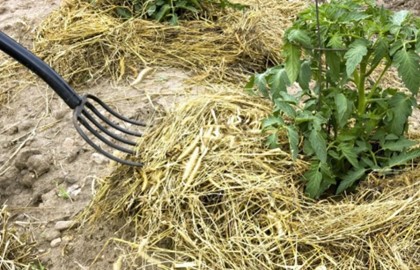
    • traditional best practices and the alignment with location-specific conservation of natural resources
    • small-scale and traditional food processing techniques for preserving food for sustenance and survival


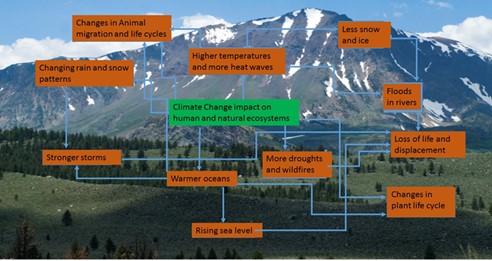
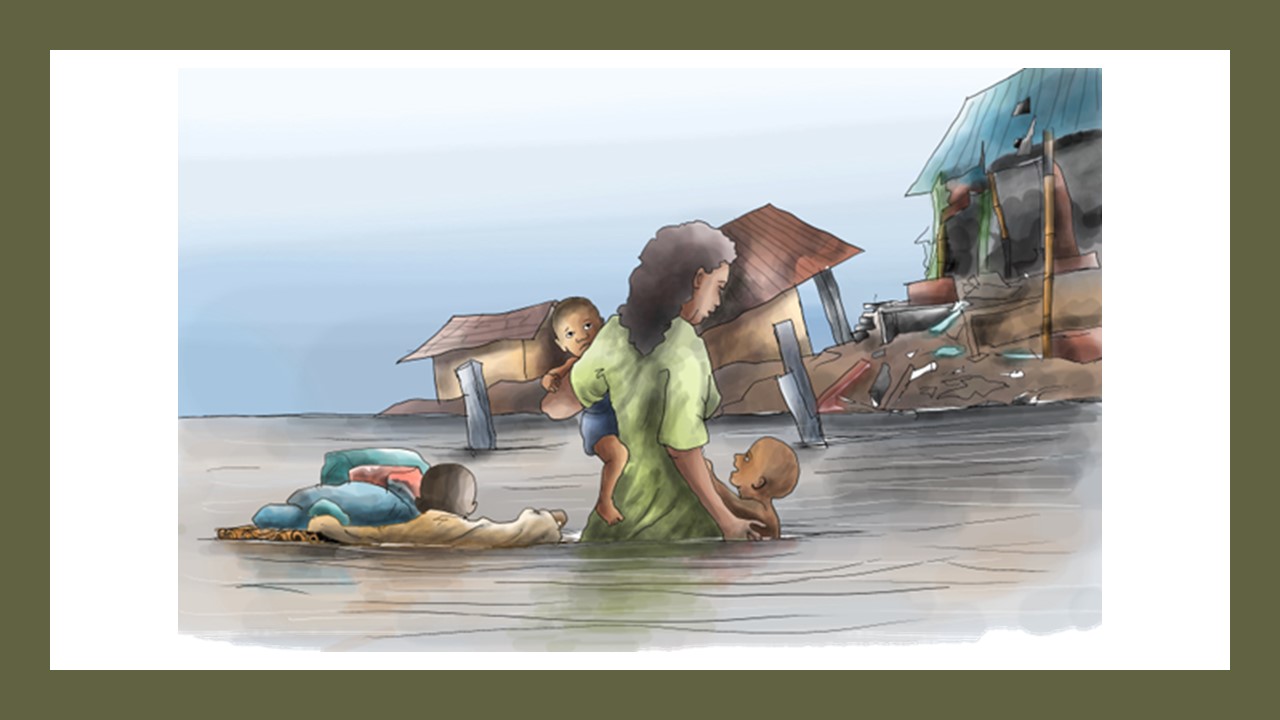
    Climate change affects all of us to varying degrees. Shifting weather patterns that affect food production, rising sea levels that increase the risk of severe flooding and extreme weather events — for example, heat waves, hurricanes, storms, floods and droughts — are all indicators of major climate change around the world. The environmental, social and economic impact is enormous, and vulnerable communities, especially women and children, are particularly affected.

    This micro-course explains climate change and its impact on human lives from a local context, including local trends in severe weather and the impact of climate change on livelihoods. It has a particular focus on agriculture, water and food security. The activities and readings will help you to anticipate the impact of climate change in your own context, examine policies that are relevant to your location and develop a relevant advocacy strategy. You will learn to identify key strategies for climate action such as mobilisation and community-based conservation, identify critical conservation issues in a local context and align various climate actions and policies to support conservation efforts.


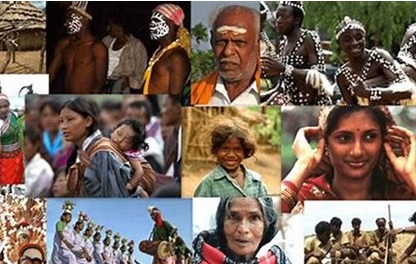
    This micro-course 6 is intended for field workers and practitioners who are working with rural communities that are affected by climate change and seeking sustainable solutions to its impacts. The conservation of nature, including natural resources and natural processes, is based on a clear understanding of Indigenous communities and their strong relationship with nature. Indigenous practices and traditions preserve nature because they are based on respecting and adapting to natural cycles and local climate conditions. Understanding and acknowledging Indigenous community rights also contributes to human respect for nature. Indigenous communities have age-old traditions and practices that signify a spiritual and emotional connection to the natural environment. Adapting certain Indigenous practices will help to support other conservation efforts. We can implement and adapt small but steady steps based on Indigenous practices and traditions at a local level. If we are to change our behaviours and attitudes towards the conservation of Earth, we must understand the rights and traditions of Indigenous Peoples both locally and globally. This micro-course contains both individual and group exercises to develop the learner’s skills in total biomass utilisation.


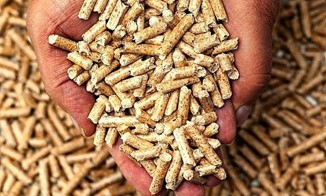
    This micro-course 5 is intended for field workers and practitioners who are working with rural communities that are affected by climate change events and are looking to innovation as the key climate-responsive action to address community resilience. The micro-course will explore alternative sustainable livelihoods to better manage natural resources as a result of innovation in climate resilience. Existing innovations can be tailored to suit local situations. Successful implementation of the innovation depends on institutional support, access to markets, skills and capacity enhancement and the availability of local/traditional knowledge. The concept of total biomass use will help the learner to understand best practices in natural resource management and conservation at a local level. The micro-course will identify types of institutional support, networks and skills required to implement total biomass use and explore a climate-responsive livelihood through the innovation model that is adapted.


    Gender inequality makes it more difficult to fight climate change. When women have the same opportunities as men, communities are better able to adapt to the impacts of climate change and build a more sustainable future.


    This micro-course 4 is designed for people who work with communities at the grassroots level. It:

    • provides a comprehensive overview of gender-sensitive livelihoods and how to develop them;
    • encourages people to share their own ideas about and experiences of gender-sensitive livelihoods;
    • explores ways of designing livelihoods that are gender-sensitive and protect the natural environment to help communities become more resilient to climate change; and
    • encourages people to come up with new ideas about how to protect the environment, reduce the effects of climate change and create jobs that will last into the future.


    This micro-course 3 explores gender and the different roles and perceptions associated with men and women and how these affect women’s ability to mitigate risks associated with climate change. The micro-course will describe how women and children suffer the most from the impacts of climate change and will focus on women as food growers and producers. Examples of successful, women-led conservation projects will be shared as best practices and as methods for mobilising other family and community members in building resiliency and sustainable livelihoods.


    Women Leadership in ODL (WLODL) is designed for mid-career women from Commonwealth institutions who are interested in assuming leadership in ODL and ICT-based fields and may need support to improve their knowledge and skills.  This is a journey of discovery on and for women who work in ODL. 

    Gender equality and women’s empowerment can unlock human potential on a transformational scale. For societies to thrive, women and girls, men and boys must have equal access to education, healthcare, and technology. They must have equal control of resources, lands, and markets. And they must have equal rights and opportunities.

    This training focuses on competencies in promoting gender equal roles and relations of women/girls and men/boys, countering negative gender stereotypes and integrating gender perspective in development programming. It aims to effect individual and collective transformation by providing the knowledge and skills necessary for advancing gender equality in the workplace and in communities.

    It is an 8 week, 8 modules course (one module per week) with a badge associated with each module. Earn all 8 badges to be awarded the course completion certificate.